New Orleans Longshore & Harbor Worker Injury Lawyers
Protecting Dockworkers Hurt in the Port of New Orleans
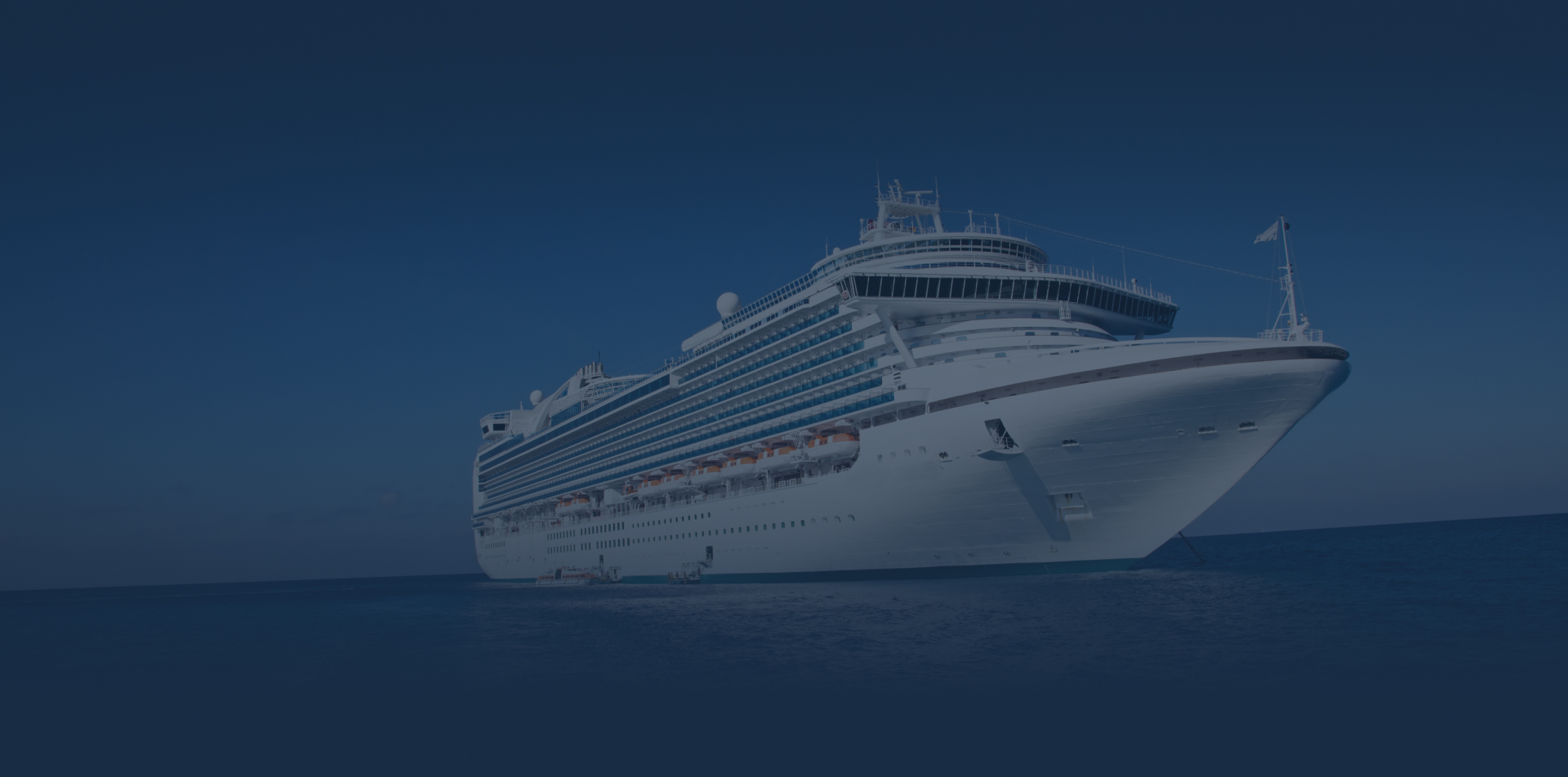
The Port of New Orleans is one of the busiest in the country. The longshoremen, stevedores, ship repairers, and terminal workers who keep it running face injury risks every shift. Even workers follow every safety procedure they know, then can still be injured by falling cargo, malfunctioning cranes, forklift accidents, and falls from ships, docks, or gangways on the waterfront. The pace of cargo operations can exacerbate such risks. Frischhertz & Impastato represents dockworkers and harbor employees injured on the job in and around New Orleans.
Our team has over 85 years’ combined experience and a history of over $700 million recovered for clients. See how we can help you in a free consultation: Call (504) 276-6962.
Understanding the Longshore and Harbor Workers’ Compensation Act
Most maritime workers who load, unload, build, or repair vessels but do not qualify as members of a ship’s crew are covered by the Longshore and Harbor Workers’ Compensation Act, commonly known as the LHWCA.
This federal law provides benefits for:
Medical treatment
A portion of lost wages
Compensation for permanent impairment
And these benefits apply without regard to fault on the part of the injured worker. It is a different system from the Jones Act, which covers seamen, and one of the first steps in building a claim is understanding which law, or in some case both, applies to a particular injury.
LHWCA benefits are valuable, but they are also limited. They typically do not include compensation for pain and suffering, and wage replacement is capped at a percentage of prior earnings. That is where a separate legal avenue can come into play.
When a longshoremen or a harbor workers’ injury is caused by the negligence of someone other than their direct employer, such as a vessel owner, a crane manufacturer, or an independent contractor working on the same job site, the injured worker may be able to bring a third-party lawsuit in addition to a claim for LHWCA benefits. Cargo that was improperly secured by a stevedoring company. A crane that was not property maintained by its owner. A vessel that was not kept in a reasonably safe condition. These are some of the conditions that can support a claim that goes beyond standard workers’ compensation benefits or LHWCA claims.
These claims, when brought against a vessel owner, can allow for full compensation, including pain and suffering and other damages that the LHWCA does not cover.
Why the Details Matter in Port Injury Cases
Port and terminal operations often involve several companies working the same vessel or cargo at once:
The vessel owner
The stevedore
The terminal operator
Various contractors
Sorting out who had control over the specific hazard that caused an injury takes a detailed investigation, often including incident reports, safety logs, and witness accounts that were gathered before memories faded or records were discarded.
Our Commitment to Injured Port Workers
Our firm has represented injured maritime and port workers for years, and we do not send a single attorney to handle a complex longshore case alone. Our full team, drawing on backgrounds in insurance law, maritime commerce, and trial practice, works together to identify every available source of compensation.
To build the strongest case possible, we prepare every longshore and harbor worker case with trial-ready discipline. We prepare each case for any possible development, and maritime companies and their insurers know that they have to take us seriously. We have won hundreds of millions of dollars for our clients, and we do not charge anything upfront. Our contingency fee basis means that we only get paid if you do.
For a free consultation from a longshore and harbor worker injury lawyer in New Orleans, call (504) 276-6962. We can provide Spanish-speaking services too.
A compilation of the Frischhertz & Impastato attorneys and staff at work and interacting with clients.
Before You Sign AnythingThat Settlement Offer Isn't Their Final OneIt's Their First One
Adjusters open low on purpose, betting you won't push back. We push back for a living. Let us look at the offer before you accept it — it costs nothing, and it might be the most valuable five minutes you spend on this case.