When Insurers Delay, Deny, or Underpay, We Stand with You
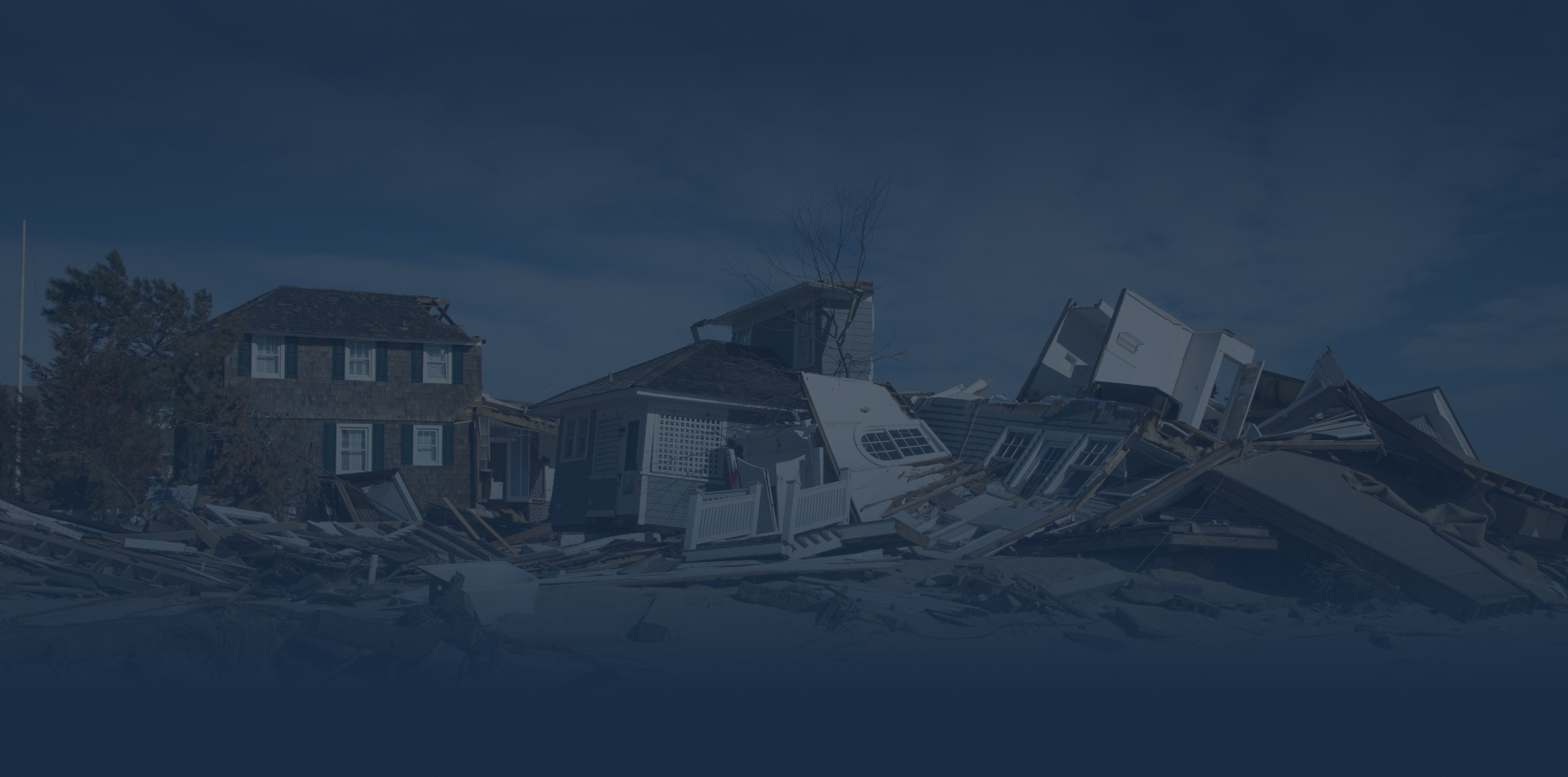
Hurricanes are a fact of life along the Gulf Coast, and, for many homeowners and business owners, so is the frustration that comes after one hits. Homeowners and business owners pay premiums for years expecting their policy to be there when disaster strikes, only to find their insurer prolonging the process, offering a fraction of what repairs actually cost, or denying the claim outright.
At Frischhertz & Impastato, we represent policyholders only. We never represent insurance companies, and our team is fully prepared to push back when an insurer is not living up to its obligations. If you’re having trouble with your claim, reach out to our New Orleans hurricane insurance claims lawyers today for help.
What Should Your Hurricane Insurance Policy Cover?
Most homeowners’ and commercial property policies are written to cover a wide range of storm-related damage, though the exact terms depend on your specific policy and any endorsements attached to it.
Damage that is commonly covered includes:
Roof damage from high winds or falling debris
Structural damage to walls, foundations, and framing
Water intrusion through damaged roofing or windows
Broken windows, doors, and siding
Damage to fences, sheds, and other structures on the property
Loss of personal belongings damaged inside the home
Additional living expenses, if the property is temporarily uninhabitable
Flood damage is typically excluded from a standard homeowners’ policy and requires separate flood coverage, which is a distinction that trips up a lot of policyholders after a storm. Reviewing the specific language of your policy early is one of the most important steps in understanding what you are entitled to.
Why Do Insurers Deny or Underpay Hurricane Claims?
Insurance companies handle an enormous volume of claims after a major storm, and not every decision they make works in the policyholder's favor.
Some of the more common tactics and disputes we see include:
Blaming damage on pre-existing wear and tear, rather than the storm itself
Disputing whether wind or flood caused the loss, since the two are often covered separately
Sending adjusters who undervalue the true cost of repairs
Delaying inspections or claim decisions for months at a time
Offering a quick, lowball settlement before the full extent of damage is known
Citing missed paperwork or procedural technicalities to deny a claim
Failing to account for hidden damage, like mold or structural settling, that appears later
None of these outcomes are something a homeowner should have to accept without a closer look. Louisiana law places real obligations on insurers when it comes to how they investigate and pay claims, and a policyholder who feels dismissed or shortchanged has options.
Louisiana Law Gives Policyholders Real Protections
Louisiana has specific statutes governing how insurance companies are expected to treat their policyholders, including requirements around timely claim decisions and fair payment once a loss is confirmed. When an insurer acts in bad faith, whether through unreasonable delay, an arbitrary denial, or a refusal to pay a claim it knows is valid, policyholders may have grounds to pursue penalties and damages beyond the original claim amount.
Deadlines in hurricane insurance disputes can be more complicated than they first appear. Many policies include their own contractual deadline for filing a lawsuit over a denied or underpaid claim, and that deadline can be shorter than what people assume. Because these timelines vary by policy and by storm, we recommend having your policy reviewed as soon as possible after a loss, rather than waiting to see how the claims process plays out.
What to Do After Storm Damage to Protect Your Claim
The steps you take in the days and weeks after a hurricane can shape how your claim is handled.
We generally recommend:
Documenting all damage with photos and video before making any repairs
Making only temporary, reasonable repairs to prevent further damage
Keeping every receipt related to repairs or temporary housing
Reporting the claim to your insurer promptly and in writing
Reviewing any settlement offer carefully before accepting it
Avoiding recorded statements to the insurance company without guidance
Many claims run into trouble simply because a homeowner did not realize how much documentation an insurer would expect, or accepted an early settlement offer before understanding the full scope of the damage.
How Long Do I Have to File a Hurricane Insurance Claim in Louisiana?
Deadlines depend on the specific language in your policy, and they are not always the same as the deadlines that apply to other types of legal claims. Some policies set a contractual limit for filing a lawsuit that is shorter than people expect. The safest approach is to have your policy and claim timeline reviewed soon after the storm rather than assuming there is plenty of time.
What If My Claim Was Already Denied?
A denial is not always the final word. Insurers sometimes deny claims based on incomplete information, a disputed cause of loss, or a misapplication of policy terms. Our team reviews denied claims to determine whether the decision was reasonable and whether there is a path to reopening or challenging it.
At Frischhertz & Impastato, we handle hurricane insurance disputes on a contingency fee basis, so there is nothing owed upfront. Our hurricane claims attorneys in New Orleans only get paid if we recover compensation on your behalf, which means the decision to reach out costs you nothing.
Talk to Our New Orleans Hurricane Claims Lawyers Today
Rebuilding after a hurricane is stressful enough without having to fight your own insurance company for money you are owed. Our eight attorneys bring a combined 85+ years of experience and a wide range of professional backgrounds to every case, and several of our attorneys are recognized by prestigious organizations like Super Lawyers, Lead Counsel, and Martindale®. When you work with us, you have a full team behind your claim, not just one attorney working alone.
If your hurricane damage claim in New Orleans has been delayed, underpaid, or denied, call (504) 276-6962 for a review of your policy and your options.
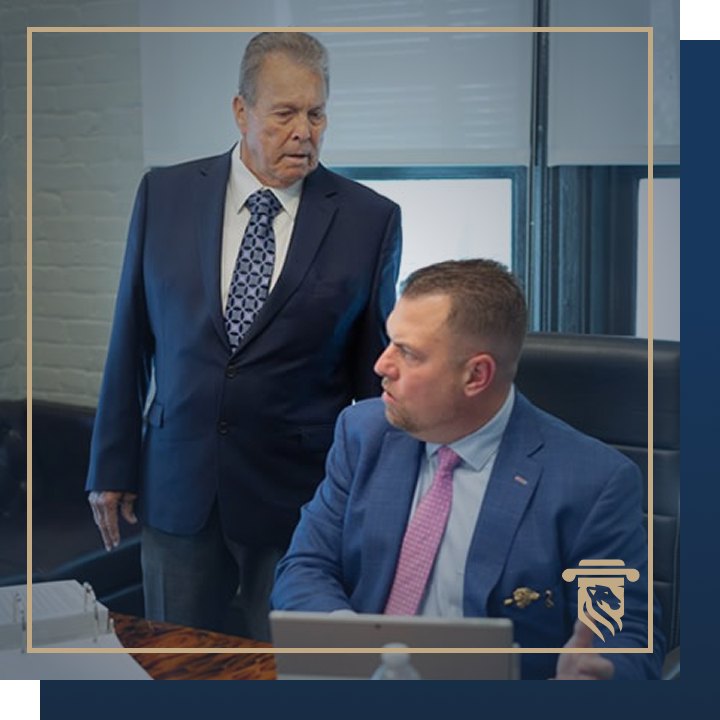
A compilation of the Frischhertz & Impastato attorneys and staff at work and interacting with clients.
Before You Sign AnythingThat Settlement Offer Isn't Their Final OneIt's Their First One
Adjusters open low on purpose, betting you won't push back. We push back for a living. Let us look at the offer before you accept it — it costs nothing, and it might be the most valuable five minutes you spend on this case.