Injured on a Vessel? Put Over 85 Years of Combined Experience on Your Side
A maritime worker’s right to bring a Jones Act claim depends on more than where the injury occurred. The first questions to ask are whether the worker qualifies as a “seaman,” whether employer negligence contributed to the injury, and which maritime law remedies may apply.
At Frischhertz & Impastato, we represent injured offshore and maritime workers in New Orleans, as well as all along the Gulf Coast. Our experienced Jones Act attorneys examine the worker’s duties, their working relationship to the vessel, the circumstances of the accident, and their employer's conduct to determine how the claim should proceed. We are aggressive advocates of workers' rights and are here to help you understand your options and what comes next.
Call (504) 276-6962 to speak to our firm about your potential Jones Act claim.
A Collaborative Team Approach
At Frischhertz & Impastato, our eight attorneys collaborate on personal injury cases, giving each client access to a team that's fully prepared to investigate complex facts and confront employers, vessel operators, and insurers. We’ve recovered more than $700 million for injured people and their families, including a $30 million settlement for seamen left on a barge in a storm without evacuation.
Who Qualifies as a Seaman Under the Jones Act?
Seaman status is a fact-specific legal classification. A worker’s duties must contribute to a vessel’s function or mission, and the worker must have a substantial employment-related connection to a vessel in navigation or an identifiable group of vessels. That connection must be substantial in both nature and duration.
A job title doesn’t determine eligibility. Crew members on tugboats, towboats, barges, supply vessels, fishing vessels, dredges, and certain mobile offshore rigs may qualify, but each worker’s actual duties must be evaluated. Courts often use the standard of approximately 30% of one's work time aboard a qualifying vessel as a guideline, not a hard-and-fast rule.
How Jones Act Cases Differ From Other Maritime Protections
A qualifying seaman may bring a Jones Act claim when an employer’s negligence contributes to an injury. Negligence may involve inadequate training, defective equipment, insufficient staffing, poor maintenance, unsafe procedures, or orders to keep working in dangerous conditions.
Related maritime protections may include:
Unseaworthiness: This claim concerns whether the vessel, its equipment, or its crew was reasonably fit for its intended work.
Maintenance and cure: Under maritime law, an employer may be required to provide qualifying living expenses and medical care after a seaman becomes injured or ill in service of a vessel, regardless of fault.
Jones Act damages: Recoverable losses may include medical expenses, lost income, diminished earning capacity, pain and suffering, and other damages supported by the evidence.
These protections may overlap, but they aren’t interchangeable. We identify the available claims given the facts and governing law, rather than assuming every offshore injury falls under the same framework.
Preserving Evidence & Meeting Filing Deadlines
Maritime evidence can disappear or change quickly. We may examine incident reports, vessel and maintenance logs, safety procedures, training records, medical documentation, photographs, video, communications, and witness accounts. We also investigate the roles of employers, vessel owners, staffing companies, and equipment manufacturers.
There are some things you can do, as well, to help preserve your rights and ability to file a Jones Act claim. These include:
Seeking appropriate medical care and explaining how the injury happened
Reporting the incident to your employer, according to workplace procedures
Keeping copies of all your medical, employment, and accident records
Avoiding signing a release or settlement document before talking to a lawyer
Federal maritime personal injury actions generally have a three-year filing period under 46 U.S.C. § 30106, but other claims and circumstances may involve different deadlines. Some New Orleans maritime disputes may proceed in the Eastern District of Louisiana, which includes Orleans Parish. Please note, however, that this is general information. A case evaluation is necessary to identify applicable deadlines and the proper court.
A maritime injury case may involve overlapping legal theories, multiple responsible parties, and evidence controlled by a powerful employer or vessel operator. Our New Orleans Jones Act attorneys coordinate the investigation, legal analysis, negotiations, and trial preparation while giving clients direct access to the team handling their case.
We investigate more than the accident itself. Our review may also look at vessel conditions, staffing decisions, safety practices, employer communications, and the conduct of other companies involved in the operation. Past results don’t predict the outcome of a new case, but our record reflects our ability to prepare consequential injury claims for negotiation or trial.
Common Vessel Injuries & Unsafe Working Conditions
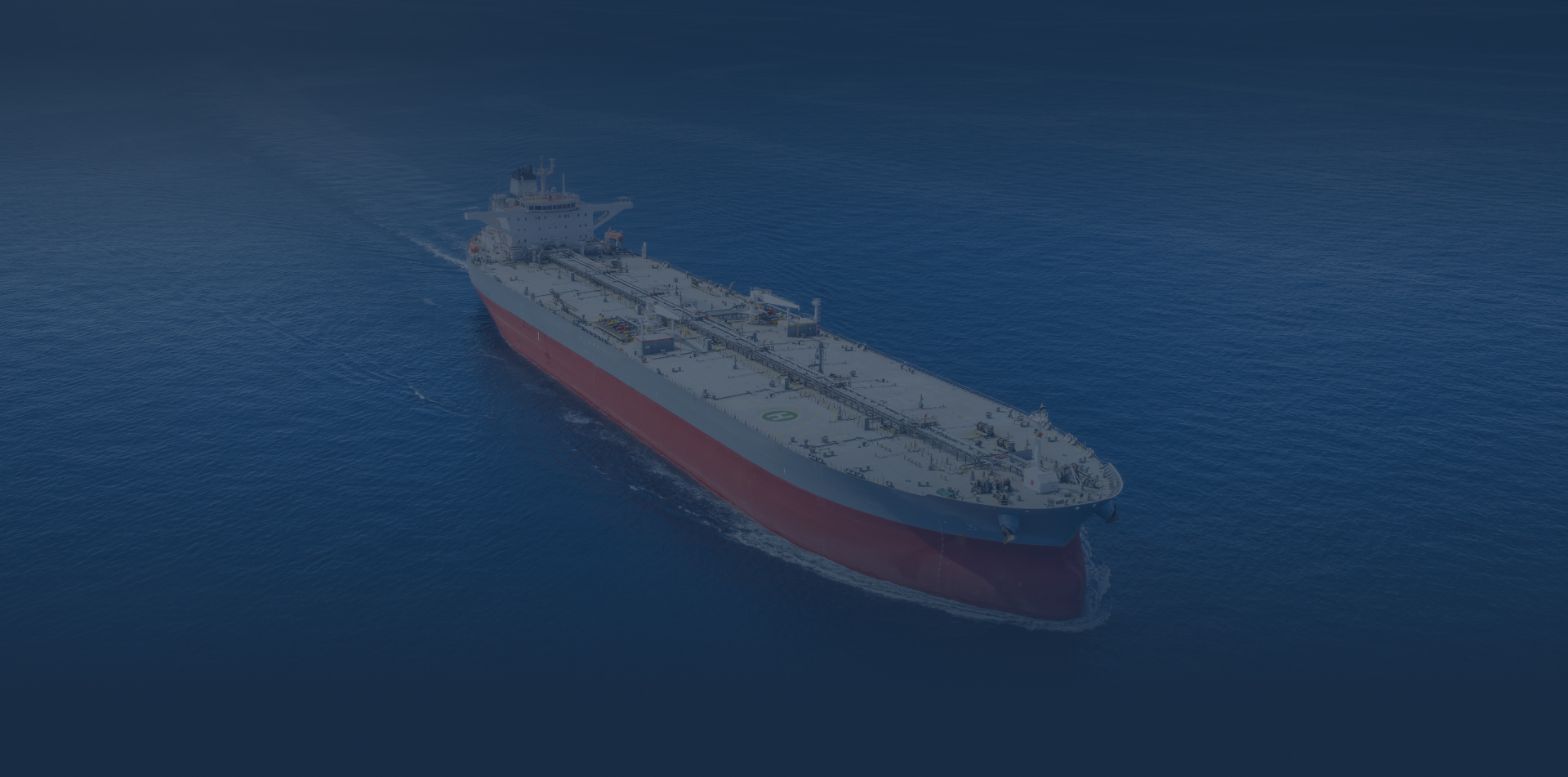
Injuries may occur aboard tugboats, towboats, barges, crew boats, supply vessels, fishing vessels, dredges, and certain mobile offshore drilling units. The setting alone doesn’t establish grounds for a Jones Act claim. Instead, the evidence must connect the worker to a qualifying vessel and show how employer negligence contributed to the harm.
Common maritime accidents and their causes include:
Unsafe decisions involving storms or sea conditions
Non-Jones Act Maritime Claims
Not every maritime employee is a Jones Act seaman. Dockworkers, shipbuilders, cargo handlers, and other land-based workers may instead fall under the Longshore and Harbor Workers’ Compensation Act, a federal benefits system for certain employees working on or near navigable waters.
Injuries on fixed offshore platforms can also require a different analysis from accidents aboard vessels in navigation. The worker’s duties, vessel connection, accident location, employer relationship, and type of structure can all affect which claims or benefits are available.
Start With a Free Case Evaluation
Our team can evaluate things like your seaman status, employer negligence, unseaworthiness, maintenance and cure, available damages, evidence, and filing deadlines. When you contact us for a free consultation, be ready to share the incident date and location, vessel or structure type, job duties, injury, medical treatment, and communications from an employer or insurer. But if you don't have all the facts, don't worry. Our Jones Act lawyers in New Orleans are here to guide you through this process, helping you gather critical evidence and working tirelessly to secure the justice you deserve.
We handle these cases on a contingency-fee basis. That means you won’t pay attorneys’ fees until we recover compensation for you. There are no upfront fees and no risks in talking to a lawyer at our firm about your case.
Call (504) 276-6962 to discuss your maritime injury with our Jones Act attorneys in New Orleans.
A compilation of the Frischhertz & Impastato attorneys and staff at work and interacting with clients.
Before You Sign AnythingThat Settlement Offer Isn't Their Final OneIt's Their First One
Adjusters open low on purpose, betting you won't push back. We push back for a living. Let us look at the offer before you accept it — it costs nothing, and it might be the most valuable five minutes you spend on this case.