Negligence & Unseaworthiness Claims in New Orleans
Holding Companies Accountable for Unsafe Conditions on the Water
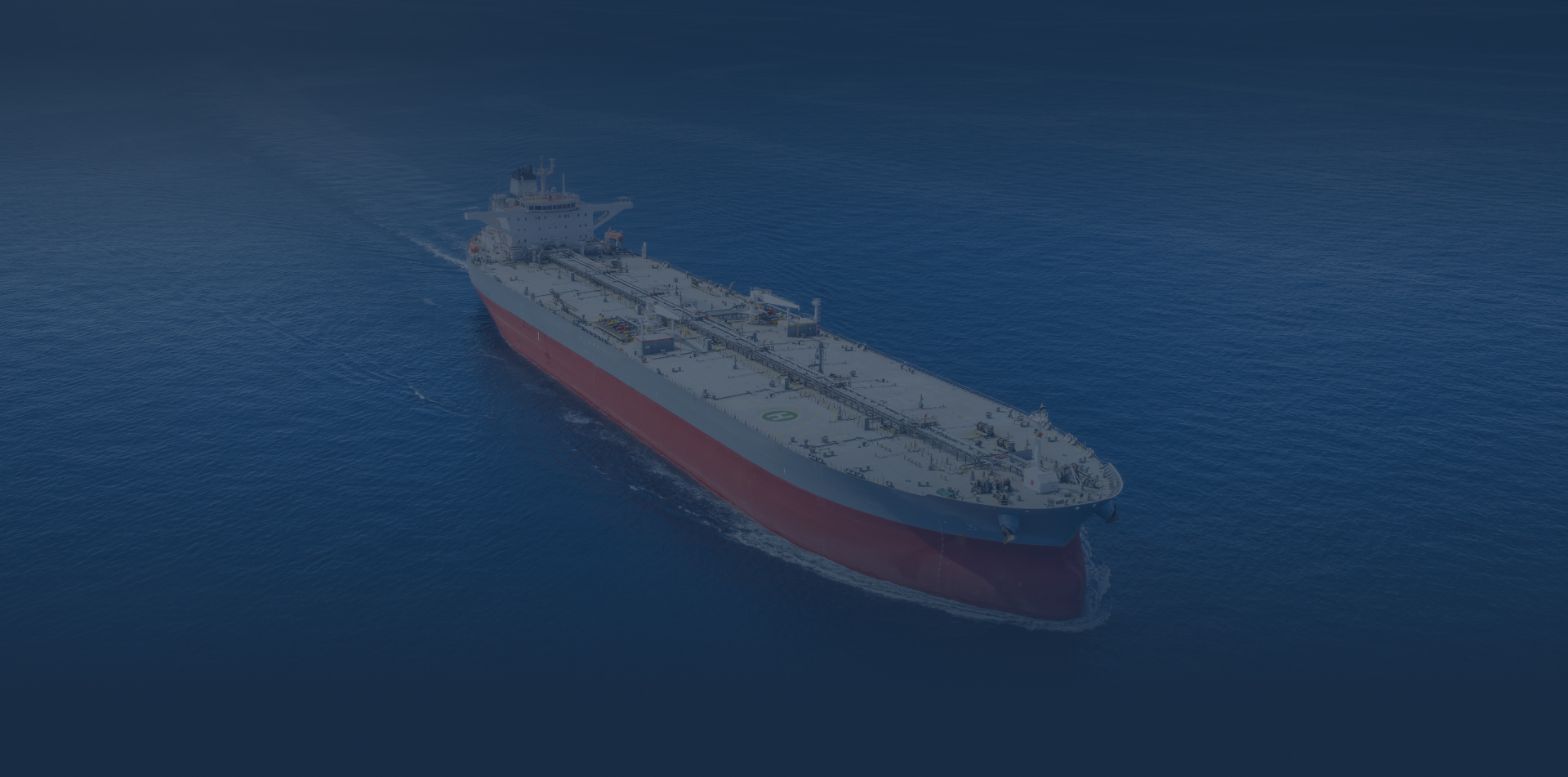
Working on the Mississippi River, in the Gulf, or anywhere along the New Orleans waterfront comes with risks that dry-land workers never face. Slick decks, aging equipment, and crews stretched too thin can turn a routine shift into a life-altering injury. When that happens, maritime workers have legal options that land-based employees don't, protections that are built specifically around the dangers of working on a vessel.
Frischhertz & Impastato represents injured seamen and maritime workers in negligence and unseaworthiness claims throughout the New Orleans area. We have recovered hundreds of millions of dollars in compensation for our clients, and we bring more than 85 years of collective experience, a team-based approach, and a willingness to take every case to trial to our practice of maritime law.
Call (504) 276-6962 to talk through what happened and what comes next. We offer free consultations and you don’t owe anything unless we win.
Negligence & Unseaworthiness Are Two Different Legal Theories
Maritime law gives injured workers two separate paths to compensation, and they don't require proving the same thing.
Negligence under the Jones Act requires showing that an employer, supervisor, or coworker failed to act with reasonable care, and that failure contributed to the injury, even in a small way.
Unseaworthiness under general maritime law doesn't focus on anyone's conduct at all. It asks whether the vessel itself, including its equipment, crew, and condition, was reasonably fit for its intended use. A vessel can be found unseaworthy even if no one did anything wrong.
Many maritime injury cases involve both theories at once, since an unsafe vessel and a careless crew often go hand in hand.
What Makes a Vessel “Unseaworthy?”
Unseaworthiness claims can arise from a wide range of conditions aboard tugs, crew boats, offshore supply vessels, dredges, and other commercial vessels common to the Port of New Orleans and the surrounding waterways.
Some of these include:
Defective or poorly maintained equipment, from winches to deck machinery
Slippery or obstructed walking surfaces
Inadequate lighting in work areas
Missing or malfunctioning safety gear
Understaffed or improperly trained crews
Unsafe methods for loading, unloading, or securing cargo
A single one of these issues can be enough to support a claim. Several together often point to a pattern of neglect that goes far beyond one bad day.
Who Can File These Claims?
Negligence and unseaworthiness claims generally apply to seamen, meaning workers who spend a significant part of their job contributing to the function of a vessel or fleet of vessels. This covers a broad range of roles found throughout New Orleans' maritime industry, including deckhands, tankermen, engineers, and captains working on towboats, barges, and offshore vessels. Determining whether someone qualifies as a “seaman” under maritime law involves specific factors, and it's worth having a case reviewed rather than assuming the answer either way.
Comparative Fault Works Differently in Maritime Cases
Louisiana's state negligence laws changed on January 1, 2026, adopting a modified comparative fault rule that bars recovery once a plaintiff is found more than 50% at fault. Maritime negligence and unseaworthiness claims are governed by federal law, not state law, and follow a pure comparative fault standard instead. That means an injured maritime worker can still recover compensation even if found significantly at fault for the accident, with the award reduced in proportion to their share of responsibility rather than eliminated.
Talk to Our New Orleans Maritime Injury Lawyers Today
Recovering from a serious injury on the water is difficult enough without navigating a legal system built around specialized maritime rules. Our attorneys bring a combined 85+ years of experience to negligence and unseaworthiness claims, working as a team rather than leaving any one case to a single attorney, and preparing every claim as though it may need to go to trial.
Jones Act negligence and general maritime unseaworthiness claims carry a three-year statute of limitations, separate from Louisiana's state deadlines for other types of personal injury cases. Missing that window typically closes the door on recovery entirely, so it's worth having a claim evaluated well before time becomes a factor.
If you were hurt while working aboard a vessel in or around New Orleans, Frischhertz & Impastato can review what happened and explain your options at no upfront cost. Cases are handled on a contingency fee basis, so there's nothing to pay unless we recover compensation on your behalf.
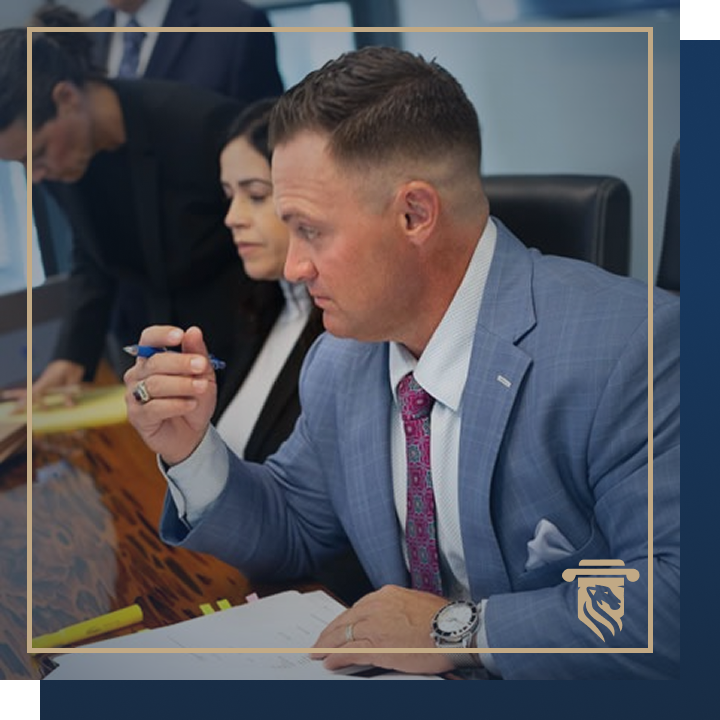
A compilation of the Frischhertz & Impastato attorneys and staff at work and interacting with clients.
Before You Sign AnythingThat Settlement Offer Isn't Their Final OneIt's Their First One
Adjusters open low on purpose, betting you won't push back. We push back for a living. Let us look at the offer before you accept it — it costs nothing, and it might be the most valuable five minutes you spend on this case.